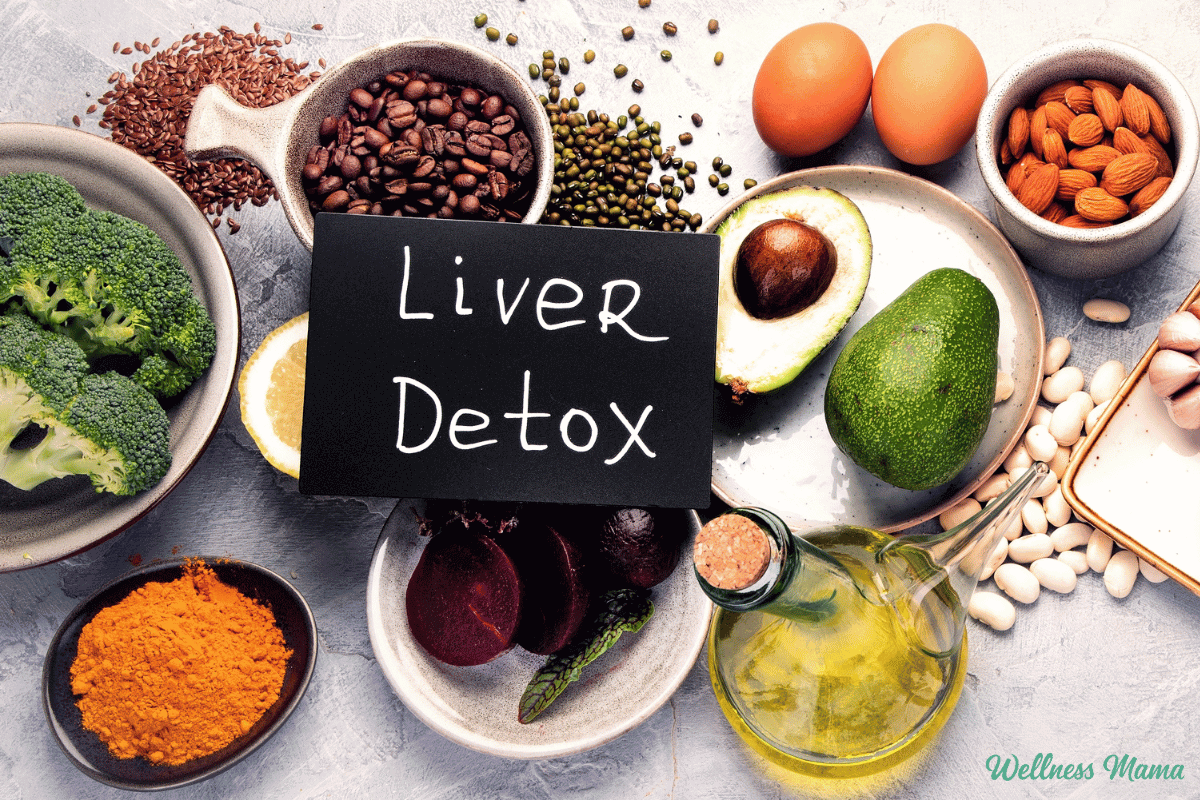
One of the questions I get all the time is how to do a liver detox. When to do it, how to do it, and what liver cleanse is best. It’s become almost expected in wellness circles that at some point we’ll need to “detox” our liver.
Over time, though, I began to question what that really meant.
Spoiler alert: The liver does not need to be detoxed, at least not how you think. In fact, it’s the organ that detoxes us. Our liver is continuously at work, transforming and packaging compounds so they can be safely eliminated. Once I truly understood that, my approach shifted. Instead of asking how to push my liver harder, I started asking what it needed to function well.
Liver: The Underrated Organ
You’ve probably heard people say that the liver is our body’s primary detox organ, but that’s just a fraction of what it does for us. The liver is a metabolic hub that helps handle carbohydrate, fat, and protein metabolism. It stores glycogen to stabilize blood sugar. It converts thyroid hormone into its active form and helps regulate estrogen metabolism.
The liver also produces bile, emulsifies fats, carries bilirubin, manages cholesterol transport, and communicates closely with the immune system. It’s also involved with hormones and estrogen metabolism. Those with high estrogen, especially PCOS, have a liver component involved. When energy feels unstable, hormones feel off, or inflammation lingers, the liver is often part of the broader picture.
We’re also seeing a sharp rise in non-alcoholic fatty liver, a condition where there are fat deposits on the liver. And surprisingly, this is even happening in people who don’t (or rarely) drink alcohol. That alone tells me something has shifted in our modern environment. Excess sugar, ultra-processed foods, chronic stress, and circadian disruption all increase our liver’s burden.
How the Liver Detoxes
It’s less about taking something or doing a “detox” to cleanse the liver, but more about supporting it in doing it’s job. Our liver detoxes in multiple phases. In simplified terms:
- Phase one (Cytochrome P450) transforms compounds
- Phase two makes them water soluble for elimination
These processes require amino acids, B vitamins, minerals like magnesium and zinc, sulfur compounds, and antioxidant support. If those building blocks aren’t present, detox pathways can slow, not because the liver is failing, but because it lacks the materials it needs. I’ll also add that while we do need iron, there’s more nuance to it than just adding an iron supplement. And too much iron can actually harm the liver.
Years ago, when I was navigating Hashimoto’s and systemic inflammation, my labs showed just how stressed out I was. Testing showed that my triglycerides were elevated and blood sugar regulation wasn’t optimal. Then of course, my thyroid markers were off. While I’ve done some liver and gallbladder cleanses in the past, I didn’t need an aggressive cleanse to fix the problem.
Instead, I needed foundational support. Over time, as I reduced my stress and toxin burden and supplied nutrients, those markers improved. Our body is always on our side and by supporting it, that’s when I saw a positive response.
The body communicates, though not always in obvious ways. Liver-related symptoms can be subtle and overlap with many other conditions. But when several show up together, it can be worth exploring further. We live in a world with air pollution, water pollution, hormone disruptors, chronic stress, and so many things that put a burden on our liver.
Even if we do our best to reduce these inputs, it’s hard to hit everything. You might stock your home with clean laundry products, but work next to someone who smells like they bathe in artificial fragrance. Or maybe you live in an area with high levels of pollution. All of these things cause our liver to work harder, and sometimes it needs some more support.
Symptoms Your Liver Needs to Detox
Some common signs that may indicate increased liver burden include:
- Brain fog
- Anger and irritability
- Fatigue
- Bloating or nausea after fatty meals
- Pale stools or dark urine
- Skin itching
- Pain or discomfort in the upper right of our abdomen
- Easy bruising
- Acne, eczema, dandruff, or other skin issues
- PMS or heavy cycles
- Elevated triglycerides that won’t improve
There’s also a strong liver–skin connection. When our detox pathways are overloaded, our body can use the skin as an alternate “exit ramp.” Hormonal patterns, especially higher estrogen states, can also reflect how efficiently the liver is processing hormones. One of the tell-tale signs our liver is struggling with handling our hormones are anger, irritability, or other mood changes.
Severe symptoms such as jaundice, significant abdominal pain, swelling, fever, or GI bleeding are medical red flags and require immediate care. What I’m referring to here are the somewhat more subtle signals and patterns that develop over time.
Lab markers like ALT, AST, GGT, ALP, bilirubin, triglycerides, fasting insulin, and HbA1C can offer additional insight when interpreted with a practitioner. Data doesn’t replace how you feel, but it can add helpful context. Be sure to work with a practitioner who will not only run labs for you, but is willing (and able) to act on that information.
Detox Myths That Can Backfire
One of the biggest misconceptions is that the liver needs to be aggressively detoxed or flushed. Crash detoxes, extreme juice fasts, harsh binders, or highly restrictive protocols can sometimes increase stress rather than relieve it. The liver is already detoxing constantly. What it needs most is steady input and reduced burden.
Sweating is often highlighted in detox conversations. And while I appreciate sauna for its cardiometabolic benefits, liver detoxification primarily occurs through bile and urine. Sweat can be supportive, but it doesn’t replace digestion, elimination, or phase two conjugation.
Binders can also have a role in specific contexts, but they’re not a substitute for fundamentals. If hydration, protein intake, bowel movements, and circadian rhythm aren’t addressed, layering in aggressive tools may simply mask symptoms or make them worse.
It’s always best to start with the simple, foundational things to support our overall health.
Foundational Nutrition for Liver Support
If I had to start in one place, it would be protein. The liver needs amino acids like glycine, cysteine, and taurine for detox conjugation. Many women especially under-eat protein. I began aiming for roughly 40 grams at breakfast. For years I avoided eggs, but now I’ll have several raw egg yolks with breakfast. These are a great source of choline, protein, healthy fats, and micronutrients.
Getting enough protein, especially first thing in the day, gave me a noticeable shift in my energy and mental clarity. Choline was particularly impactful for me. It supports fat export from the liver and contributes to cognitive function. Once I started eating eggs and taking a choline supplement, it was like I could feel my brain waking up! Not everyone has the same exact nutritional needs or gaps, so it’s worth exploring through testing what your body might need more of.
In general though, these nutrients are good across the board for liver support:
- Egg yolks and liver for choline, B vitamins, healthy fats, iron, etc.
- Cruciferous vegetables for phase two support
- Garlic and onions for sulfur compounds
- Adequate fiber for bile and estrogen metabolite binding
- Fatty fish for anti-inflammatory
Coffee is another interesting factor. Moderate intake is associated with lower liver enzyme elevations and reduced fibrosis risk. On the other hand, excess fructose, alcohol, sugary beverages, and ultra-processed foods increase liver burden. So while I love my coffee with healthy fats or even a splash of raw milk, I ditched the sugary creamers long ago.
Lifestyle Shifts That Matter More Than Supplements
Insulin sensitivity also plays a central role in liver health. Avoiding processed foods, unhealthy carbs, and refined sugars, and balancing hormones through light inputs all have a positive effect on blood sugar. Getting to a healthy (or at least healthier) weight can also significantly reduce liver fat. The daily habits we reach for matter beyond the scale though.
Walking or moving after meals supports blood sugar regulation. Resistance training improves metabolic flexibility. Movement (especially rebounding) supports lymphatic flow and mitochondrial function.
Circadian rhythm was one of the most underestimated pieces in my own healing. Getting morning sunlight within 30 minutes of waking gradually improved my sleep and energy. I shifted toward eating earlier in the day and finishing before dark. The liver operates on its own clock, and aligning meals and light exposure with daylight made a measurable difference.
Hydration and minerals also support these processes. Magnesium, zinc, selenium, and adequate sodium all contribute to enzymatic reactions. Consistent bowel movements, ideally one to two daily, help prevent the recirculation of toxins and hormone metabolites. When our liver and body tries to detox but we can’t eliminate the toxins through bowel movements, then they’re still stuck in our body.
While these habits may seem simple, over time they compound and can really make a big difference.
Targeted Liver Support (After the Basics)
Once you’re reaching for liver supporting foods, avoiding toxins that can overburden your system, and supporting hormone balance, there are some targeted ways to help further. Here are some supplements that offer additional support the the liver as it does it’s job.
A few notes on sulrofaphane and berberine. Cruciferous vegetables are a great source of sulrofaphane, but not everyone tolerates them well. I found the supplement BrocElite really helpful for this, as it’s the only supplement with the stabilized form of sulrofaphane. Berberine also is naturally found in herbs like barberry and Oregan grape. However, when it’s isolated and put in a supplement our body has a really hard time using it. The one exception I’ve found is BerbElite from my friends at Mara Labs.
Keep in mind not everyone needs all of these supplements, this is just a starting point for your own research.
I’ve also found it interesting that some traditional systems associate the liver with emotional stress, particularly frustration. While not part of conventional hepatology, nervous system regulation and emotional processing were meaningful pieces of my own recovery. The body is integrated and healing rarely happens in isolated compartments.
The Big Takeaway
The liver does not need to be forced into detox. It needs nourishment, rhythm, and reduced burden. When we supply adequate protein and choline, support bile flow, prioritize circadian alignment, hydrate well, move daily, and limit incoming stressors, the liver often responds quickly.
My biggest improvements didn’t come from dramatic cleanses. They came from steady, foundational support practiced consistently over time. It wasn’t extreme or flashy, but it was sustainable. And I’ve found over and over again that it’s the simple things that have the most lasting impact.
How do you support your liver? What have you found that really moves the needle for you? I’d love to hear about it in the comments!