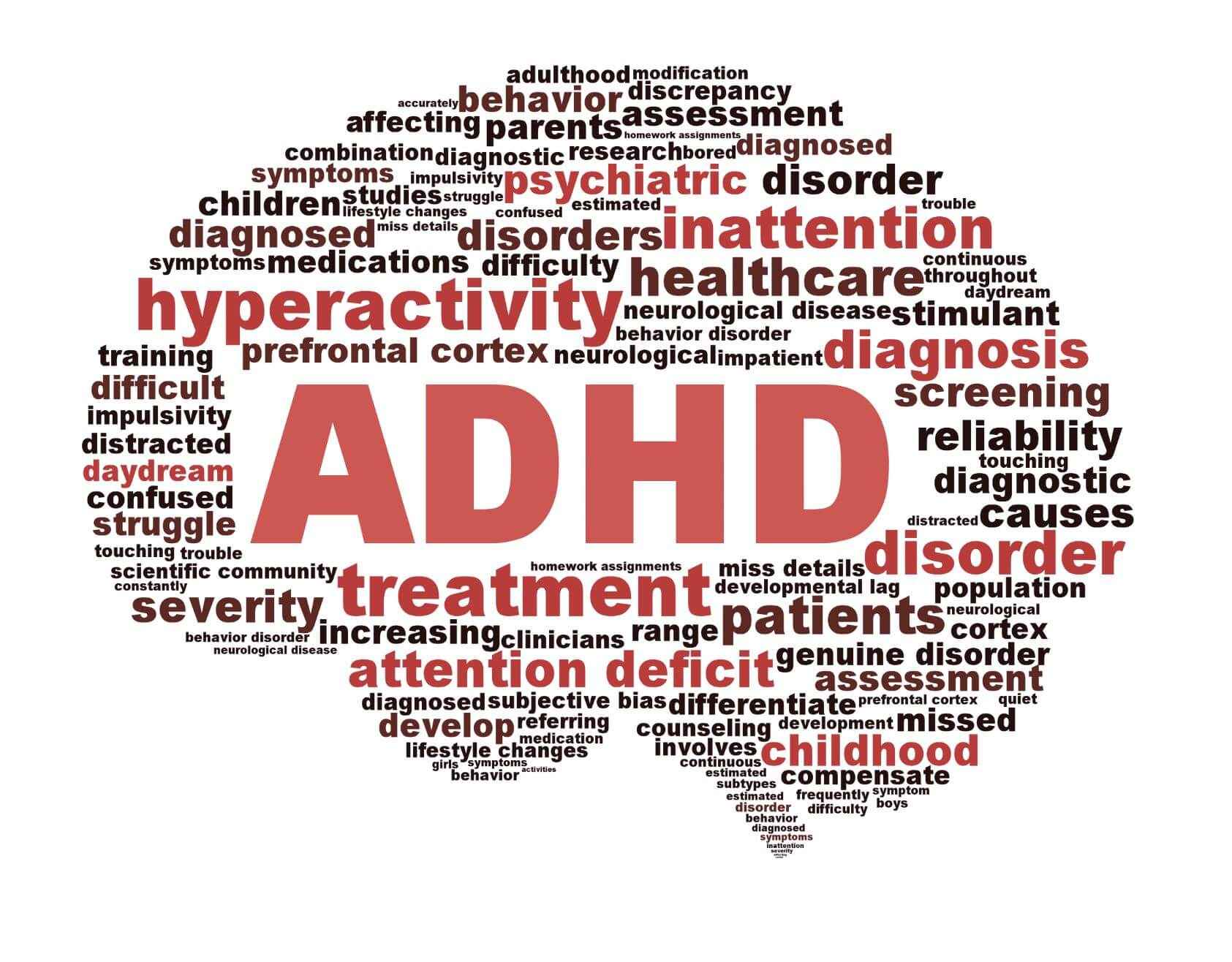
For many people living with Adult ADHD, symptoms do not stay at a steady level. One day you may feel productive and organized. The next day, focusing feels impossible, emotions run high, and simple tasks feel overwhelming.
These changes are rarely random. In most cases, they are linked to ADHD triggers in adults, which are common lifestyle, environmental, and emotional factors that intensify symptoms. Understanding what to avoid can make daily life noticeably easier.
This article focuses on what triggers ADHD symptoms in adults, with special attention to life in New Jersey. Dense populations, busy schedules, long commutes, and seasonal shifts can all play a role. Whether you are just curious and searching for symptoms of ADHD, triggers for ADHD, or looking for adult ADHD management in New Jersey, this guide is designed to be practical and realistic.
How ADHD commonly shows up in adulthood
ADHD in adults often looks different than childhood ADHD. Hyperactivity may become internal rather than physical, while difficulties with attention and organization become more noticeable as responsibilities increase.
Adults with ADHD frequently report:
- Trouble focusing on tasks that feel boring or repetitive
- Difficulty starting tasks even when they are important
- Disorganization at home or work
- Forgetfulness and misplacing items
- Time management problems
- Emotional sensitivity or irritability
- Mental fatigue from constant self-correction
These symptoms of ADHD can be manageable on some days and overwhelming on others. Triggers often explain the difference.
Why ADHD symptoms fluctuate instead of staying constant
A common question is why ADHD symptoms can feel mild one day and severe the next. The answer usually lies in brain load.
When attention, emotional regulation, and executive functioning are pushed beyond capacity, symptoms increase. This is why identifying adult ADHD symptom triggers matters just as much as learning coping skills.
Triggers tend to stack. Poor sleep plus stress plus sensory overload can lead to shutdown, procrastination, or emotional outbursts. Reducing even one factor can improve the whole system.
Environmental factors that intensify ADHD symptoms
Overstimulation from noise, crowds, and lighting
New Jersey environments can be intense, especially in urban and suburban hubs.
Situations that commonly worsen symptoms include:
- Loud public spaces
- Crowded stores and events
- Bright fluorescent lighting
- Constant background noise
These conditions demand constant filtering, which drains focus quickly.
What helps:
Choosing quieter times for errands, using noise-canceling headphones, dimming lights when possible, and stepping outside briefly can reduce mental overload.
Visual overload and cluttered spaces
Clutter creates continuous visual input. For the ADHD brain, this can feel like being interrupted every few seconds.
Common issues include:
- Piles of paperwork left out
- Crowded desks or countertops
- Too many browser tabs open
Helpful adjustments:
Limit visible items, use closed storage, and do short daily resets rather than waiting for a big cleanup.
Lifestyle habits that can trigger ADHD flare-ups
Inconsistent sleep patterns
Sleep disruption is one of the strongest ADHD triggers in adults.
Problems often arise from:
- Late-night screen use
- Irregular bedtimes
- Sleeping much later on weekends
- Using caffeine to compensate for exhaustion
Even minor sleep loss can affect attention, impulse control, and mood.
Supportive habits:
Aim for consistent wake-up times, reduce screen exposure before bed, and create a short wind-down routine that signals your brain to slow down.
Skipping meals or eating irregularly
Many adults with ADHD forget to eat or delay meals, especially during busy workdays.
This can lead to:
- Brain fog
- Irritability
- Reduced focus
- Emotional reactivity
Simple fixes:
Eat protein early in the day, keep easy snacks nearby, and avoid relying solely on sugar or caffeine for energy.
Technology overload and constant notifications
Modern technology is one of the most common triggers for ADHD today.
Patterns that worsen symptoms include:
- Starting the day with social media
- Constant email alerts
- Switching between tasks frequently
- Background TV while working
Helpful boundaries:
Schedule specific times to check messages, use Do Not Disturb during focus periods, and reduce multitasking whenever possible.
Emotional and mental stressors that worsen ADHD
Chronic stress and pressure
Stress is one of the most reliable answers to the question, “what triggers ADHD symptoms in adults?”
In New Jersey, common stressors include:
- Long commutes
- High workload expectations
- Fast-paced environments
- Financial pressure
Stress increases mental noise and reduces working memory, making it harder to plan, prioritize, and stay regulated.
What helps:
Building buffer time, reducing overcommitment, and breaking tasks into smaller steps can lower stress-related symptom spikes.
Emotional overwhelm and sensitivity
Many adults with ADHD experience intense emotional responses, including frustration, shame, or rejection sensitivity.
Triggers can include:
- Criticism
- Feeling rushed
- Unexpected changes
- Interpersonal conflict
When emotions spike, focus often drops.
Helpful strategies:
Pause before responding, name the emotion, reduce sensory input, and delay decisions until emotional intensity decreases.
Substances that may worsen ADHD symptoms
Caffeine and energy drinks
While caffeine can improve alertness short-term, excessive use can increase anxiety, disrupt sleep, and worsen emotional regulation.
Watch for:
- Afternoon or evening caffeine
- Energy drinks
- Relying on caffeine instead of rest
Alcohol
Alcohol may temporarily quiet the mind, but it often disrupts sleep quality and worsens next-day focus and mood.
Tracking how alcohol affects sleep and attention can help identify whether it is acting as a trigger.
How routine changes affect adult ADHD
Many adults with ADHD rely on routine more than they realize.
Disruptions that often cause flare-ups include:
- Travel
- Job changes
- Weekends with no structure
- Overpacked schedules
Stabilizing strategies:
Keep a few daily anchors consistent, such as wake-up time and first task of the day. Plan recovery time after busy periods.
What is the 30% rule and why do adults talk about it?
The 30% rule is a commonly referenced ADHD concept suggesting that executive functioning skills may lag behind chronological age.
While not a diagnostic standard, it can help explain why adults with ADHD may feel capable in many areas but struggle with planning, organization, or emotional regulation.
Understanding this can reduce self-blame and encourage the use of external supports.
Quick ways to regulate when ADHD feels out of control
When symptoms spike, aim for regulation, not perfection.
A simple reset:
- Acknowledge overstimulation
- Reduce noise or visual input
- Slow breathing with longer exhales
- Take one small, concrete action
This helps interrupt shutdown or avoidance cycles.
Common challenges adults with ADHD report
Adults frequently struggle with:
- Task initiation
- Consistency
- Time awareness
- Emotional regulation
- Balancing work and personal life
These struggles are common and manageable with the right supports.
Reducing ADHD flare-ups in New Jersey daily life
The most effective approach to how to avoid ADHD flare-ups in adults is prevention.
Focus on:
- sleep consistency
- stress management
- sensory boundaries
- screen limits
- simple routines
Small changes, applied consistently, often lead to meaningful improvement.
Final perspective on ADHD Triggers in NJ Adults
ADHD symptoms intensify when the brain is overloaded, not because of a lack of effort or motivation. By identifying ADHD triggers in adults and learning what to avoid for ADHD in New Jersey, many adults experience better focus, steadier emotions, and fewer overwhelming days.
Progress does not require perfection. It requires awareness, adjustment, and compassion for how your brain works.
Source: Healthsoothe.com
Thank you for reading this post. Don’t forget to subscribe to our YouTube site here for Health and dental care content. Furthermore, follow us on Facebook, X.com (Twitter), Pinterest, Telegram, TikTok, LinkedIn, and WhatsApp Channel.